Ballina Homeowners Guide to Preventing Severe Roof Leaks
Ballina sits on the Far North Coast of New South Wales, where subtropical weather, salt-laden coastal air and intense summer storms put constant pressure on residential roofs. A small leak that goes unnoticed can quickly turn into soaked insulation, stained ceilings, mould growth and expensive structural repairs. The good news is that most severe roof leaks are preventable. With regular inspections, timely maintenance and an understanding of what the local climate does to roofing materials, Ballina homeowners can protect their most important asset for decades.
Why Ballina Roofs Face Unique Challenges
Ballina receives well above the average rainfall of many Australian regions, with the wettest months typically falling between January and June. Heavy downpours, East Coast Lows and the occasional severe thunderstorm can deliver large volumes of water in a short time. Roofs here must handle both sustained wet weather and sudden, intense bursts of rain driven by strong winds.
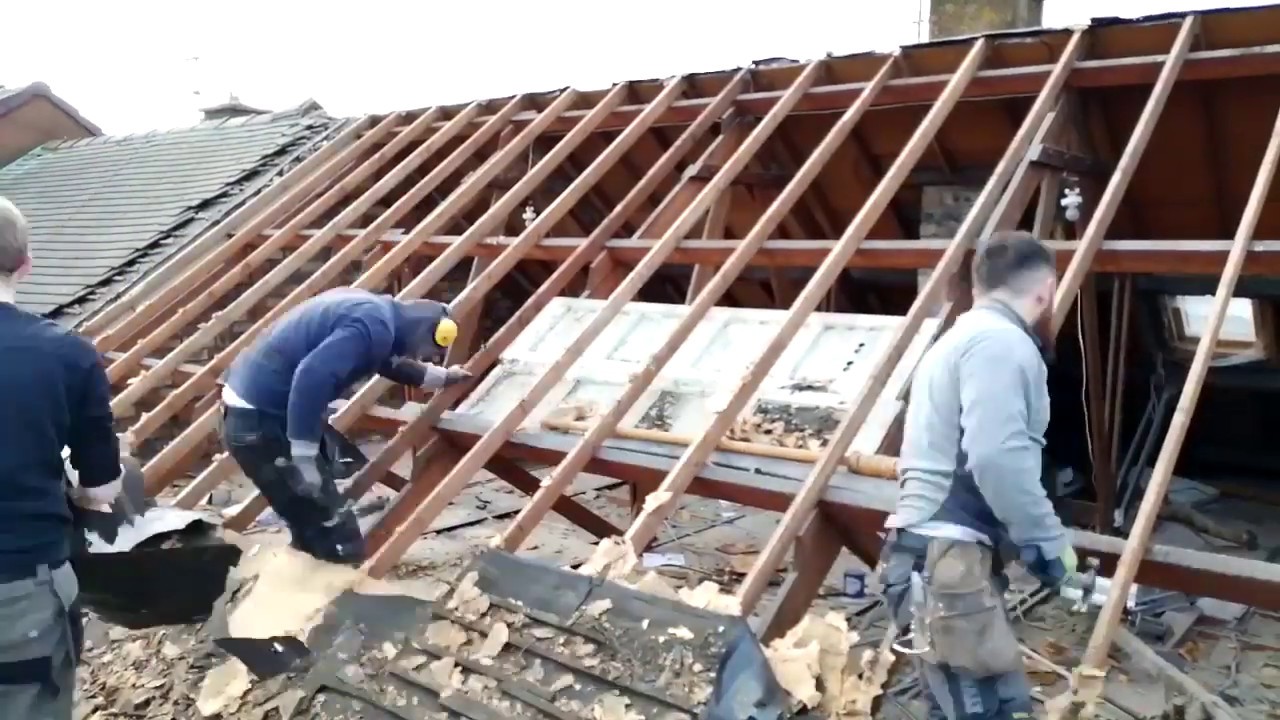
Proximity to the ocean and the Richmond River adds another layer of risk. Salt in the air accelerates corrosion on metal roofing, fasteners, flashings and gutters. High humidity encourages moss, lichen and mould on tiles and shaded roof sections. Strong UV exposure during summer also degrades sealants, paint coatings and the flexible materials used around penetrations.
Common Weather-Related Threats
- Wind-driven rain: forces water sideways and upward under tiles, laps and flashings that would normally shed water.
- Salt corrosion: eats away at unprotected steel, screws and flashings, particularly on homes close to the coast.
- Humidity and moisture: promotes moss, lichen and rot in timber battens, fascias and eaves.
- Thermal movement: repeated heating and cooling loosens fixings and cracks sealants over time.
- Falling debris: leaves, branches and fruit from nearby trees block gutters and damage roofing surfaces.
Know the Warning Signs Before a Leak Becomes Severe
Severe leaks rarely appear without warning. Most begin as subtle changes that https://landensigc905.cloudhinter.com/posts/choosing-energy-efficient-roof-colours-for-ballina-summers are easy to overlook. Checking for these signs after every major storm helps you act before damage spreads.
Inside the Home
Look for yellow, brown or grey stains on ceilings and walls, bubbling or peeling paint, sagging plasterboard, and a persistent musty smell. Damp patches that appear after rain but dry out afterwards often point to a slow leak that is still developing. If you can access your roof space safely, check for wet insulation, dark timber stains, water droplets on the underside of the roof sheeting or tiles, and daylight showing through gaps.
On the Outside
From the ground, or with binoculars, check for cracked, slipped or missing tiles, lifted or rusted metal sheets, damaged ridge capping, sagging gutters and heavy moss growth. Pay special attention to valleys, chimneys, skylights, vents and the junctions where roof sections meet walls, as these are the most common leak points on any roof.
Essential Maintenance to Prevent Roof Leaks
Preventive maintenance costs a fraction of major repairs. A consistent routine tailored to Ballina conditions is the most effective defence against water entry.
Keep Gutters and Downpipes Clear
Blocked gutters are one of the leading causes of water damage. When gutters overflow, water can back up under the roof edge, soak fascia boards and enter the roof cavity. Clean gutters at least twice a year, and more often if overhanging trees drop leaves regularly. Fit quality leaf guards where suitable, but still inspect them, as fine debris and seeds can build up on top. Make sure downpipes are clear and that stormwater drains are flowing freely away from the house.
Inspect and Repair Flashings
Flashings seal the joins around chimneys, skylights, walls, vents and valleys. They are exposed to salt, sun and movement, so they tend to fail before the main roof surface does. Look for rust, lifted edges, cracked sealant or gaps. Replacing worn flashings promptly is far cheaper than repairing the internal water damage they allow.
Maintain Tiles and Ridge Capping
On tiled roofs, cracked or displaced tiles should be replaced as soon as they are found. Ridge capping on tile roofs is bedded and pointed with mortar or fixed with flexible pointing, and this material can crack or deteriorate over time. Re-bedding and re-pointing is a standard maintenance task that prevents water from entering at the highest point of the roof. Walking on tiles can cause breakage, so leave detailed inspections to a qualified roofer.
Care for Metal Roofing
Colorbond and other steel roofs perform well in coastal environments, but they still need attention. Rinse the roof and gutters with fresh water periodically, especially areas not washed by rain, such as under eaves, to remove salt build-up. Check screws and fasteners for corrosion or loosening, and treat any scratches or exposed steel edges before rust spreads. Replace failed washers or screws that allow water to track through the sheeting.
Control Moss, Lichen and Overhanging Trees
Moss holds moisture against the roof surface and can lift tiles and block drainage paths. Remove growth using appropriate methods recommended by a roofing professional, as aggressive pressure washing can damage tiles and strip protective coatings. Trim branches back from the roof to reduce debris, shading and the risk of storm damage.
Prepare Your Roof for Storm Season
Ballina’s storm season brings the highest risk of severe leaks. Preparing in advance, ideally before the warmer months when thunderstorms become more frequent, makes a significant difference.
- Arrange a professional roof inspection to identify loose fixings, damaged tiles, worn flashings and failing sealants.
- Clear gutters, downpipes and valleys so water can escape quickly during heavy rain.
- Secure or replace loose roofing components including ridge caps, sheets and fasteners that wind could lift.
- Trim overhanging branches that could fall onto the roof during strong winds.
- Check the roof space for signs of existing moisture, and ensure ventilation is adequate to prevent condensation.
- Photograph the condition of your roof so you have a record for insurance purposes if storm damage occurs.
Ventilation and Condensation: The Hidden Cause
Not every ceiling stain is caused by rain entering from outside. In humid climates, condensation in the roof space can produce dampness that looks like a leak. Poor ventilation allows warm, moist air to condense on cooler roofing surfaces, dripping onto insulation and ceilings. Adequate roof ventilation, such as eave vents, ridge vents or powered ventilators, helps keep the roof space dry. Make sure bathroom and kitchen exhaust fans vent outdoors rather than into the ceiling cavity, and check that insulation does not block eave vents.
When to Call a Professional Roofer
Roof work is one of the most dangerous tasks around the home, and falls from roofs cause serious injuries every year in Australia. Wet, mossy or sloping surfaces make the risk even higher. Homeowners should limit themselves to ground-level checks and gutter work from a stable ladder, and engage a licensed professional for anything involving roof access.
Call a qualified roofer if you notice:
active leaks during rain, multiple cracked or missing tiles, rusted or lifted metal sheets, damaged flashings, sagging roof lines, or recurring stains in the same area after previous repairs. A professional can find the true source of a leak, which is often some distance from where the water appears inside. Quick, accurate diagnosis prevents repeated repairs and hidden damage.
Choosing the Right Roofer in Ballina
Look for a roofing contractor who holds the appropriate NSW licence, carries public liability insurance and provides a written quote. Ask about their experience with local coastal conditions, the materials and fixings they use, and whether they offer a workmanship warranty. Under NSW rules, licensed tradespeople must provide a written contract for residential work above the threshold set by NSW Fair Trading, so check the current requirements before work begins. Reputable roofers will also explain the cause of the problem, show photos of the damage and outline the repair options clearly.
Insurance and Documentation
Review your home insurance policy to understand what storm and water damage is covered. Insurers generally distinguish between sudden storm damage and gradual deterioration caused by lack of maintenance, and claims can be affected if a leak results from a long-neglected problem. Keeping maintenance records, inspection reports and receipts demonstrates that you have looked after your roof. After a severe storm, take photos of any damage, make temporary safe repairs where possible, such as covering exposed areas with a tarp arranged by a professional, and contact your insurer promptly.
Consider Upgrades for Long-Term Protection
If your roof is approaching the end of its service life, repeated patch repairs may not be cost-effective. Many tile roofs last 50 years or more with proper care, while the lifespan of metal roofing depends on the coating, thickness and exposure to salt. Restoration options such as re-bedding and pointing, replacing broken tiles, repainting or re-coating, and installing new sarking or insulation can extend roof life significantly. In 2026, many homeowners are also combining roof repairs with improvements such as better insulation, ventilation upgrades and solar panel preparation, since access to the roof is already arranged. If you plan to install solar, ensure the roof is in sound condition first, as removing and reinstalling panels later adds considerable cost.
Build a Simple Annual Roof Care Plan
The most reliable way to prevent severe roof leaks is to make roof care a regular habit rather than an emergency response. A practical schedule for Ballina homeowners includes visual checks after major storms, gutter cleaning at least twice a year, a professional inspection every one to two years, and prompt repair of any defect, however small. Addressing minor issues early keeps water out, protects your ceilings and structure, and helps preserve your home’s value.

Ballina’s beautiful coastal lifestyle comes with demanding weather, but a well-maintained roof can handle it. By understanding the risks, spotting early warning signs and working with a licensed local roofer, you can keep your home dry and secure through the wettest seasons in 2026, 2027 and well beyond.
Ballina Roof Restoration & Repair